
Professional Cleaning Services in the City of Westminster
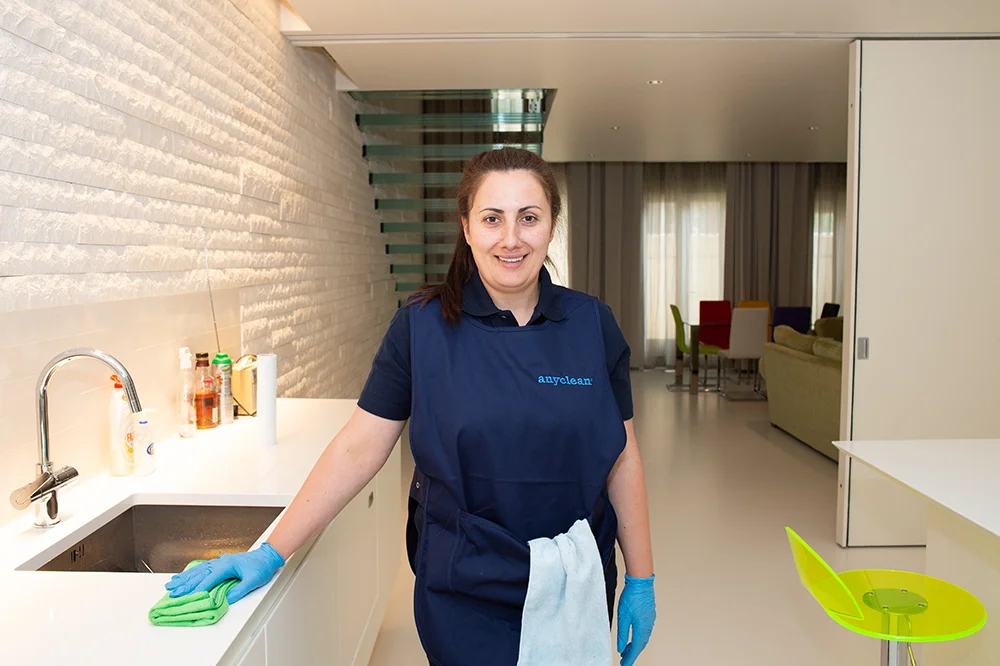
House Cleaning Experts Since 1998
- Free Quote - Absolutely No Obligation
- Same Cleaner at Every Visit
- Fully Insured & Professional
- DBS Checked & Vetted Teams
- Weekly, Fortnightly or One-Off Cleaning
- We Bring Products or Use Yours
- Cancel with 24 Hours’ Notice
- Serving Westminster Households Since 1998
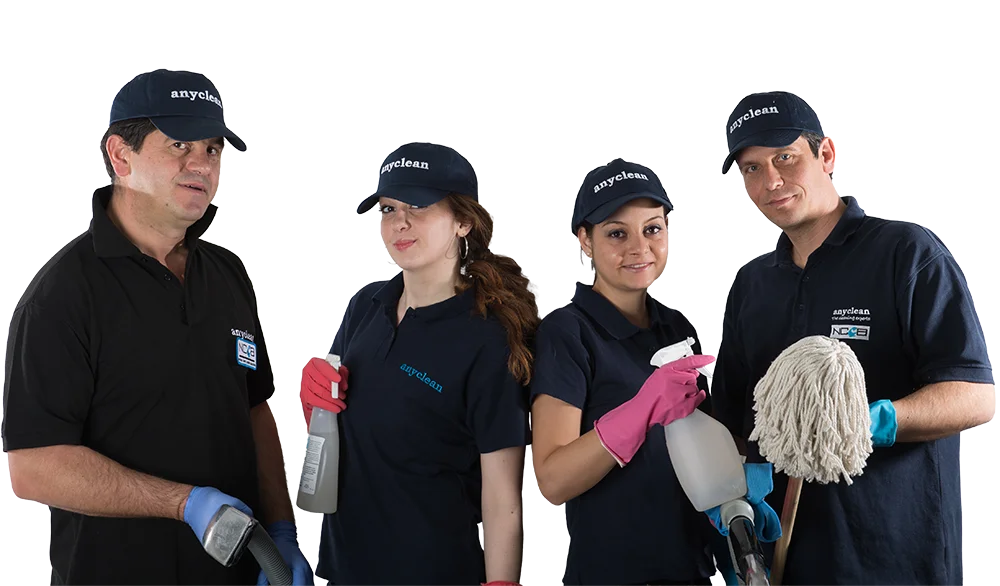
Our Services
Serviced Districts within the City of Westminster
Aldwych
Bayswater
Belgravia
Charing Cross
Chinatown
Covent Garden
Knightsbridge
Lisson Grove
Little Venice
Maida Vale
Marylebone
Mayfair
Millbank
Paddington
Pimlico
Soho
St James's
St John's Wood
Westminster
Why Choose Anyclean
Founded in 1998 and still family-run, Anyclean is an independent cleaning company - no franchise model, no revolving ownership. Our ISO 9001:2015 certification covers quality management, and our ISO 45001:2018 certification covers health and safety; both are subject to independent annual audit. We maintain comprehensive public liability and employer's liability insurance as standard.

Pricing
Every quote is tailored to the service required, the size and type of the property, and what the job actually involves - you'll receive everything in writing, with no surprises on the day. We won't pretend to be the lowest-priced cleaning company in the City of Westminster, and we've never seen the point in doing so. What the price reflects is staff who are properly trained and vetted, complete insurance cover, and a standard of reliability that means work gets completed correctly, on schedule, without you having to follow up or revisit issues.
The customers who stay with us have generally arrived at the same conclusion: the lowest quote and the best outcome are rarely the same thing. If consistent results, straightforward communication, and a job done right first time are what you're looking for, we'd be glad to put a quote together.
Frequently Asked Questions
Surface identification comes before any product selection. Marble, polished stone, lacquered joinery, silk upholstery, and decorative plasterwork all have specific pH tolerances and abrasion thresholds that standard commercial cleaning products routinely ignore. Anyclean uses material-appropriate, COSHH-compliant solutions for each surface type - alkaline degreasers for stone, neutral-pH cleaners for hardwood, solvent-free products for lacquered finishes. For upholstered furniture, we identify fabric composition before selecting a wet, dry, or low-moisture cleaning method. Marble and stone floors receive pH-neutral cleaning followed by appropriate sealing or polishing to restore protective layers. We never use steam on unsealed natural stone or acidic products on calcium-based surfaces. A method statement covering products and techniques is available on request for any specialist interior clean.
Our hospitality deep cleaning goes well beyond what daily housekeeping maintains. Guest rooms receive full mattress cleaning using hot water extraction, upholstery cleaning of headboards and soft furnishings, descaling of bathroom fixtures, grout cleaning, and tile scrubbing. Public areas - lobbies, lifts, corridors, and function rooms - are deep cleaned with high-level dusting of ceiling voids and light fittings, hard floor strip-and-reseal, carpet extraction cleaning, and air vent cleaning. Kitchen and F&B areas include extraction system degreasing, appliance cleaning, and floor scrubbing using ride-on or walk-behind scrubber dryers. All work is scoped with a written specification and method statement. Contracts are structured around low-occupancy periods, dark days, or planned refurbishments — with out-of-hours access and a dedicated account manager as standard.
All Anyclean operatives assigned to access-controlled or sensitive environments are DBS checked and fully vetted prior to deployment. Where a building's security policy requires enhanced clearance or site-specific induction, we accommodate this within the onboarding process - our account managers liaise directly with your facilities management or security team to ensure full compliance before cleaning commences. We operate primarily out of hours on secure-site contracts to avoid interference with operational activity. Every clean is preceded by a full COSHH-compliant cleaning specification, written risk assessment, and method statement covering all products, equipment, and procedures used on site. Operatives are uniformed, carry identification, and follow strict sign-in and sign-out protocols. Public liability and employer's liability insurance documentation is available on request.
Yes. Anyclean mobilises post-event cleaning teams after the final guest departure, or after the last curtain is drawn in auditoriums, foyers, bars, function rooms, backstage areas, and public washrooms. A full post-event clean includes carpet extraction cleaning in high-footfall areas, hard floor scrubbing and buffing, upholstery cleaning of seating, washroom deep cleaning with consumables replenishment, and waste and recycling clearance. For venues undergoing fit-outs or refurbishments, our builders cleaning crews handle post-construction dust removal, paint splatter, cement residue, and window label removal from all surfaces. Emergency and same-day cleaning is available for incidents requiring immediate attendance - flooding, spillages, or unexpected post-event conditions. Periodic deep cleans during dark weeks or production changeovers can be scheduled as standalone bookings or incorporated into a rolling contract.
Heritage and listed buildings require a conservative, material-first methodology. External stonework - Portland stone, brick, York stone paving, and limestone - is cleaned using low-pressure techniques and appropriate biocidal treatments to remove moss, algae, and soiling without eroding the surface. Standard high-pressure jet washing is avoided on period masonry. Window cleaning of heritage glazing, including sash windows, leaded lights, and cast iron frames, is carried out using pure water-fed pole systems and hand methods suited to original materials. Internally, decorative cornicing, lime plaster, ornate tilework, and hardwood panelling are cleaned using pH-appropriate, solvent-free, and, where specified, eco-friendly products. We produce a method statement and product datasheet for every heritage clean, and work alongside specialist conservators where structural or restoration concerns are identified.
Anyclean provides a full hard floor maintenance package for commercial premises covering all principal floor types. Daily maintenance includes machine scrubbing with walk-behind or ride-on scrubber dryers and damp mopping of ceramic, porcelain, concrete, and resin floors. Periodic services include diamond grinding and burnishing of marble, terrazzo, and granite; strip-and-reseal of vinyl and linoleum flooring; application of floor polish and protective topcoats; and pressure washing of external paved areas with re-sanding and sealing of block paving. Entrance matting is cleaned or replaced on a scheduled basis to reduce tracked-in soiling. For heavily trafficked retail environments - shopfronts, fitting rooms, stock rooms - we schedule early-morning or after-hours cleans to maintain presentation standards without disrupting trading. Floor maintenance packages are available on daily, weekly, or periodic contracts with a dedicated account manager.
Anyclean's Coverage Across Greater London
Anyclean provides residential and commercial cleaning services across all 32 London boroughs and the City of London.